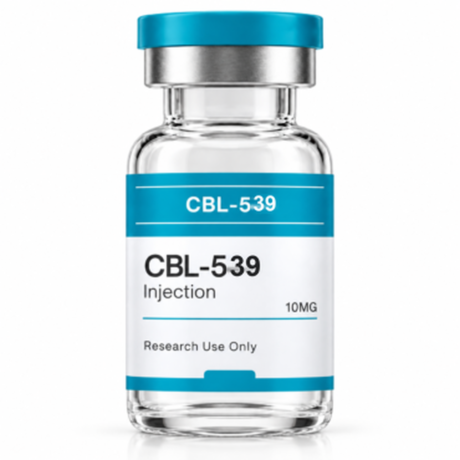
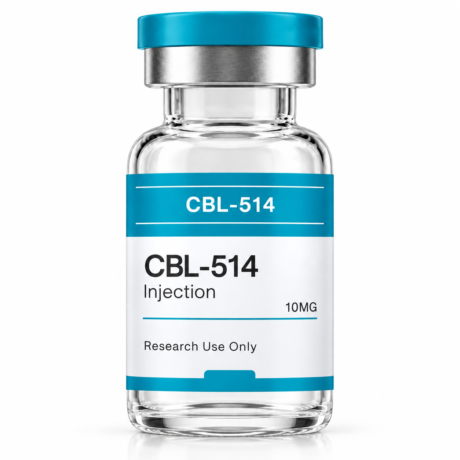
Peptides
Buy Research Peptides Online
Welcome to Caliway Biopharmaceuticals, where researchers can explore product information and documentation for research peptides. If you are looking to buy research peptides online, it is important to understand each product’s identity, stated specifications, available analytical testing, and intended research application. Our category content is designed to help visitors understand what to look for when evaluating research materials, including quality documentation, supplier transparency, and applicable regulatory requirements.
Choosing research peptides requires careful evaluation rather than relying on product descriptions alone. Researchers should review available documentation, understand the limits of reported test results, and confirm that the materials they consider are appropriate for their intended laboratory work.
Explore Research Peptides at Caliway Biopharmaceuticals
Research peptides are short chains of amino acids studied in scientific and laboratory settings. Their characteristics depend on their amino acid sequence, molecular structure, and other product-specific properties.
At Caliway Biopharmaceuticals, product information should help visitors understand what a listed research material is, which specifications are available, and what supporting documentation can be reviewed. Clear product details help researchers assess whether a material warrants further consideration for a particular research project.
When exploring research peptide products, consider the following information:
- Product identity: The name and relevant identifying information for the compound.
- Product specifications: Available information about composition and stated characteristics.
- Analytical testing: Details of the testing performed and the reported results.
- Quality documentation: Relevant certificates of analysis and batch information, where available.
- Storage and handling: Product-specific instructions and precautions.
- Regulatory information: Restrictions and requirements that may apply to the substance and its intended use.
The information available for each product may differ. Review the documentation associated with the specific product rather than assuming that all research peptides have identical properties or quality requirements.
What Are Research Peptides?
Peptides are molecules made from amino acids, the building blocks of proteins. They are generally shorter than proteins and can be studied to understand different chemical and biological processes.
Scientists investigate peptides for various research purposes, including molecular interactions, structure, and biological activity. The characteristics of one peptide may differ considerably from those of another, so the name, structure, and documented properties of a particular compound matter.
Research peptides should not automatically be considered medicines, dietary supplements, or products suitable for human consumption. Their permitted uses depend on the substance, its regulatory status, and the circumstances in which it is supplied and used.
How to Evaluate Research Peptide Quality
Quality assessment is an important part of selecting laboratory research materials. Before relying on a supplier’s claims, review the evidence available for the particular product and determine whether it supports the stated specifications.
1. Product Identity and Specifications
Start by checking whether the product has a clear, consistent identity. Product information should distinguish the compound from similarly named substances and provide relevant specifications where available.
Do not rely solely on promotional descriptions or a product title. Supporting documentation is important when determining whether the stated material matches the requirements of a research project.
2. Purity and Analytical Testing
Purity is one factor used to characterize a research material. However, a reported purity percentage does not establish every aspect of product quality.
The meaning of a test result depends on the analytical method, the sample examined, and the scope of the testing. Review the available information to understand what was measured and what conclusions can reasonably be drawn from the results.
Purity should not be confused with identity, sterility, safety, or suitability for a specific experiment. These are different considerations that may require different types of evidence.
3. Certificates of Analysis
A certificate of analysis, commonly called a COA, reports specified test results for a product or batch. Depending on the material and tests performed, it may provide information about identity, purity, or other measured characteristics.
When reviewing a COA, consider whether it identifies the relevant product or batch, names the testing methods, and clearly presents the results. Batch-specific documentation is generally more informative than a generic certificate that cannot be connected to the material supplied.
A certificate should only be used to support claims that fall within the scope of the tests reported.
4. Batch Traceability
Batch information helps connect a product to its associated manufacturing or testing records. Where applicable, batch or lot numbers can help researchers and suppliers identify the material being discussed.
Clear traceability can make it easier to review documentation, resolve product questions, and investigate discrepancies. Researchers should check that product labels and associated documents are consistent.
5. Storage and Handling Information
Storage requirements vary according to the compound, formulation, packaging, and other factors. Some materials may be sensitive to environmental conditions, so appropriate instructions should be based on product-specific information.
Review the supplier’s documented storage and handling guidance before working with a research material. Do not assume that every peptide has the same storage requirements or shelf life.
What to Consider Before Buying Research Peptides Online
Finding a research peptide online is only the first step. A careful evaluation of the product and supplier can help researchers make more informed decisions.
Review the Product Information
Look for a clear product description, relevant specifications, and supporting documentation. The available information should help you understand what the product is and which characteristics have been verified.
Avoid treating general marketing statements as proof of laboratory quality.
Assess Supplier Transparency
Supplier transparency includes clear business information, accessible customer support, understandable sales terms, and accurate product descriptions.
If important details are missing, seek clarification before proceeding. Be cautious of sellers that make claims they cannot substantiate or provide documents that cannot be linked to the product in question.
Understand the Limits of Quality Claims
Words such as “pure,” “premium,” or “high quality” are not substitutes for evidence. Reliable evaluation requires looking at the specific claims being made and determining whether the supporting documentation is relevant.
For example, a purity result does not independently establish sterility, clinical safety, or regulatory approval.
Check Applicable Laws and Restrictions
Rules governing research peptides differ by jurisdiction and may depend on the particular substance, the intended use, and the conditions of sale.
Before purchasing or arranging shipment, confirm the relevant requirements for your location and research activity. Some substances may be restricted, prescription-controlled, or subject to import, export, storage, or handling requirements.
A research-use label does not remove legal obligations or establish that a product is authorized for human use.
Why Choose Caliway Biopharmaceuticals?
When evaluating Caliway Biopharmaceuticals or any other research-material supplier, visitors should be able to make decisions based on clear information and verifiable documentation.
The most useful indicators to review include:
- Clear product identification and specifications.
- Relevant analytical testing information.
- Available product- or batch-specific documentation.
- Understandable storage and handling guidance.
- Transparent business contact information and terms of sale.
- Accurate statements about the scope and limitations of product testing.
- Information that helps customers understand applicable research-use and regulatory requirements.
These criteria provide a practical framework for evaluating research materials. Specific claims about manufacturing standards, testing procedures, certifications, shipping performance, or product quality should be included only when Caliway Biopharmaceuticals can substantiate them.
Research Peptides for Laboratory Research
Research peptides are not interchangeable simply because they belong to the same broad category. Their molecular structures and documented properties may differ, and a material suitable for one research question may not be appropriate for another.
Researchers should begin by identifying the requirements of their project and reviewing the documentation available for each candidate material. This includes checking the compound’s identity, considering the relevance of analytical results, and following appropriate laboratory procedures.
Research materials should be handled according to their documentation, the laboratory’s safety procedures, and applicable regulations. They should not be used for self-experimentation or assumed to be suitable for diagnosing, treating, curing, or preventing a medical condition.
Frequently Asked Questions About Buying Research Peptides Online
1. Where can I buy research peptides online?
Researchers looking for research peptides online should evaluate suppliers based on product identification, available analytical testing, supporting documentation, and transparent business practices. Caliway Biopharmaceuticals can use this category to present its research-material listings and the documentation genuinely available for each product. Always confirm the product’s legal status and suitability for the intended research setting.
2. What are research peptides used for?
Research peptides are studied in scientific and laboratory environments to investigate molecular properties, interactions, and biological processes. Their appropriate use depends on the particular compound, the research protocol, the laboratory setting, and applicable regulations.
3. How can I evaluate research peptide quality?
Review the product’s identity, stated specifications, relevant analytical results, and available batch documentation. Consider which testing methods were used and which characteristics they establish. A single purity figure is not enough to confirm every aspect of quality.
4. What is a COA for research peptides?
A certificate of analysis is a document reporting specified analytical results for a product or batch. It may include identity or purity information, depending on the testing performed. Review whether the certificate relates to the product being supplied and whether its findings support the claims being made.
5. Does a high purity percentage guarantee product quality?
No. A high purity percentage does not, on its own, establish correct identity, sterility, the absence of every contaminant, clinical safety, or suitability for a particular experiment. Quality assessment depends on the product and the evidence available.
6. Are research peptides approved for human use?
Research labeling does not mean that a substance has been approved as a medicine or is suitable for human use. Approval and permitted uses depend on the specific substance and the applicable regulatory authority. Do not assume that a research product is safe for personal consumption or administration.
7. Can research peptides be shipped internationally?
International shipping depends on the product, the countries involved, and the applicable import, export, customs, and transport requirements. Some substances may be restricted or prohibited. Check the relevant requirements before arranging shipment.
8. How should research peptides be stored?
Storage conditions vary according to the specific compound, formulation, and packaging. Follow product-specific documentation and appropriate laboratory procedures instead of assuming that a single storage method applies to all peptides.
9. What documentation should I look for when evaluating a supplier?
Relevant documentation may include product specifications, analytical reports, certificates of analysis, batch information, and storage or handling instructions. The documents should be consistent with the product and should support the specific claims being made.
10. How do I choose between different research peptide products?
Start by identifying the material required for the research question. Compare documented identity, specifications, analytical evidence, and other relevant quality information. Do not choose solely on the basis of price, marketing claims, or a purity percentage.
11. Are research peptides the same as peptide-based medicines?
No. Some peptide-based compounds are authorized medicines for specific indications, while other peptides are supplied for research purposes. Their approval status, quality requirements, and permitted uses can differ significantly.
12. What should I check before ordering from Caliway Biopharmaceuticals?
Review the relevant product description, available testing documentation, supplier contact information, terms of sale, and applicable legal requirements. Confirm that the intended research use is permitted and that the available documentation is sufficient for your laboratory’s needs.
Showing all 2 results